Introduction
In today's educational environments, the safety and well-being of children is critical. As instructors, we play a crucial duty in ensuring that children are risk-free from various health threats, including severe allergic reactions. One of one of the most important devices in CPR Courses Wollongong taking care of such emergencies is the EpiPen. This article supplies a comprehensive guide on EpiPen management in children tailored specifically for educators. The information described below not only covers the technical elements of using an EpiPen but additionally covers important first-aid procedures and strategies for developing confidence amongst educators.
What is an EpiPen?
An EpiPen is a medical device made use of to provide a dosage of epinephrine to people experiencing severe allergies, referred to as anaphylaxis. Recognizing just how to utilize this tool efficiently can indicate the distinction in between life and death for a child suffering from allergies.
Why Educators Requirement to Be Prepared
Educators commonly find themselves in scenarios where they should reply to medical emergency situations including youngsters. Familiarity with EpiPen administration can dramatically improve their capacity to take care of these occurrences effectively.
Importance of Emergency treatment Training: HLTAID012 Accreditation Australia
To confidently provide an EpiPen, instructors ought to go after training under the HLTAID012 give emergency treatment in education program. This accreditation equips them with required skills not just for using an EpiPen however additionally for other first aid methods pertinent in instructional settings.
Understanding Anaphylaxis: Signs and Triggers
What Is Anaphylaxis?
Anaphylaxis is a serious, possibly deadly allergy that can take place within mins after direct exposure to an allergen. Usual triggers include:
- Food (e.g., peanuts, tree nuts, shellfish) Insect stings Medications Latex
Recognising Bronchial asthma Symptoms
In enhancement to allergic reactions, many kids might suffer from asthma symptoms that can imitate or make complex anaphylactic reactions. It's essential for educators to be able to distinguish between these conditions.
Major Signs of Anaphylaxis
Recognising the signs early can conserve lives. Some crucial indications include:
Hives or rash Swelling of the face or throat Difficulty breathing Rapid heartbeat Dizziness or faintingThe Function of Educators in Emergency Situation Response
Immediate Feedback Responsibilities
In instance a kid shows indicators of anaphylaxis, teachers should act quickly and decisively:

Incident Reporting Protocols
Documenting occurrences makes certain correct follow-up and compliance with safety and security regulations within educational institutions.
EpiPen Administration in Children: A Step-by-Step Overview for Educators
Step 1: Recognise Symptoms
When you suspect a child is having an allergy, look for symptoms like trouble breathing or swelling.
Step 2: Retrieve the EpiPen
Make certain you understand where EpiPens are stored within your center; they must be conveniently Wollongong CPR instructor courses accessible yet secure.
Step 3: Get ready for Injection
Hold the EpiPen securely with one hand and eliminate it from its case without touching the orange tip.
Step 4: Provide the Injection
Place the orange suggestion versus the external upper leg and press down securely until you listen to a click-- this indicates that it's injecting.
Step 5: Keep in Place
Keep it pushed versus the thigh for regarding 3 seconds to guarantee appropriate dose delivery.
Step 6: Dispose Properly
After usage, deal with the EpiPen securely according to your institution's biohazard protocols.
Building Instructor Self-confidence through Training
Educators who undergo training end up being a lot more confident and capable when taking care of emergencies involving allergic reactions.
Written vs Practical Parts of Training
Understand that reliable training comprises both composed materials (manuals) and practical workouts (simulations).
Choking Avoidance Strategies
Choking occurrences can occur regularly among children; thus knowing how to respond swiftly is vital.
Encourage age-appropriate food choices. Supervise meal times closely. Teach youngsters proper eating techniques.Managing Minor Wounds Among Children
Minor cuts and contusions are common events in schools; for that reason, knowing just how to manage these injuries is necessary:
Cleanse the injury with soap and water. Apply antibacterial if available. Cover with a sterile plaster or dressing.Proper Hand Health Practices
Good hand hygiene avoids infections which could complicate any medical concern:
- Wash hands regularly with soap. Use hand sanitiser when soap isn't available. Encourage pupils to wash their hands prior to eating and after using restrooms.
Child Defibrillation Guidance
While providing emergency treatment for heart emergency situations requires innovative training, understanding basic defibrillation principles can be useful:
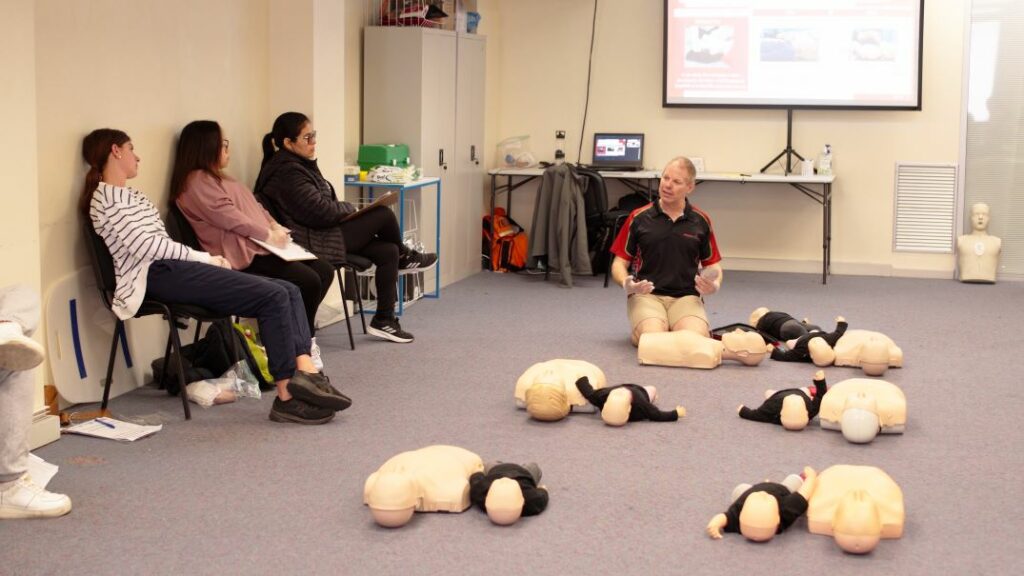
- Know where AEDs are located on campus. Familiarise on your own with their procedure with training sessions.
Childproofing Techniques at Educational Facilities
Creating a risk-free environment entails identifying possible dangers:
- Secure heavy furniture. Use edge guards on sharp tables. Keep dangerous products out of reach.
Renewal Timelines for Certification
Regularly restoring your HLTAID012 qualification guarantees you're updated on finest methods:
- Typically every 3 years.
Stay educated about modifications in guidelines or tools updates related to epinephrine administration!
First Aid Essentials Certain to Childcare Centers
Each childcare facility must maintain a comprehensive first-aid set stocked based on governing requirements:
|Item|Objective|| --------------------------|-------------------------------------------|| Adhesive Bandages|For minor cuts|| Disinfectant wipes|For cleansing wounds|| Disposable gloves|To maintain hygiene throughout treatment|| Scissors|For cutting tape or clothes|
FAQ Section
1. What should I do if I erroneously infuse myself with an EpiPen?
If you accidentally inject yourself, seek clinical assistance quickly as it can result in major problems as a result of raised heart prices and blood pressure boosts caused by epinephrine.
2. Just how often ought to children carry their own EpiPens?
Children diagnosed with extreme allergies ought to always have access to their very own EpiPens while at institution or during outings; instructors have to recognize their location in all times.
3. Can I give more than one dose of epinephrine?
If signs and symptoms do not improve within 5-- 15 mins after providing one dosage, it's typically risk-free to offer one more dosage as routed by healthcare experts while waiting for emergency situation services.
4. What added training choices are offered beyond HLTAID012?
Programs on CPR details for babies (like Baby CPR Australia) or toddler-specific first-aid basics may additionally boost expertise relating to children's wellness emergencies beyond just allergy management.
5. Exist different kinds of EpiPens?
Yes! Different brands generate variations tailored in the direction of different age groups (child-friendly does) yet job in a similar way overall-- constantly consult health care professionals regarding use specifics!
6. Exactly how do I protect against play area mishaps?
Regular look at tools safety requirements combined with supervising play activities significantly reduce threats related to play area accidents!
Conclusion
The importance of being prepared can not be overemphasized when it involves carrying out medicines like EpiPens in educational setups; heartbreaking end results commonly originate from lackadaisical attitudes in the direction of readiness! By following this overview on EpiPen administration in children, instructors will certainly not only enhance their instant feedback abilities yet additionally foster much safer atmospheres conducive in the direction of supporting discovering experiences devoid of avoidable health dangers-- empowering themselves along this trip makes all difference!